My Neighbor Filmed Them Changing My Locks—Then Elanor’s Final Video Played
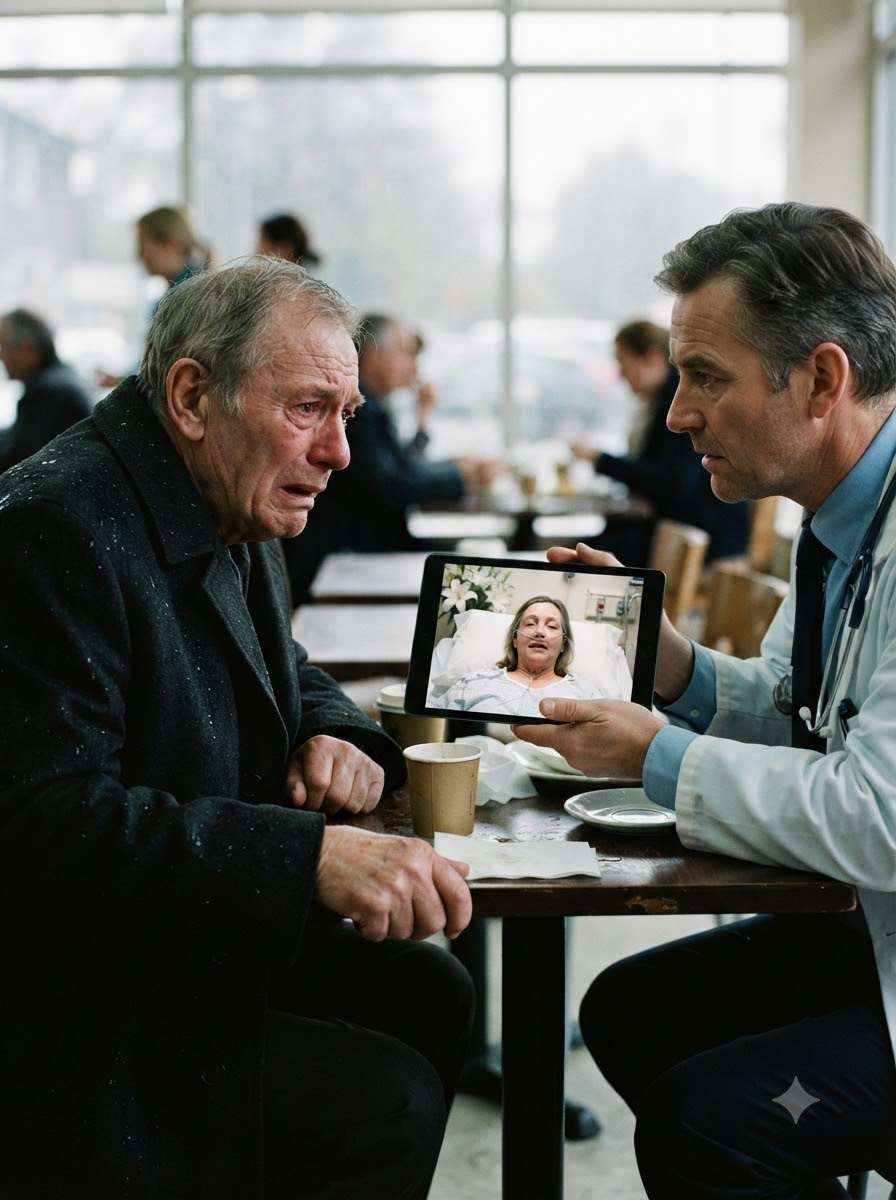
“Richard, don’t go inside.”
Margaret Kenning hurried across the wet lawn before I had even shut my car door. Rain silvered her gray hair and darkened the shoulders of her cardigan.
“They’re in there right now,” she said. “Your daughter-in-law and her brother. They brought a locksmith.”
I looked past her at my house.
The porch light was on. Through the kitchen curtains, shadows moved behind the glass.
I had just returned from Greenwood Memorial Cemetery, where I had spent Sunday morning talking to my dead wife. Eighteen months after losing Elanor, I still brought her white lilies and told her the small things: Daniel’s new job, the grandchildren’s school plays, the leak under the upstairs sink.
That morning, I had also told her I was worried about myself.
I had been forgetting things. Missing appointments. Finding objects in places I would never have put them.
Now my neighbor of fifteen years was gripping my arm hard enough to hurt.
“They changed your locks,” Margaret whispered. “Come with me.”
Inside her blue bungalow, she locked the door and closed the blinds. Then she handed me her phone.
“I recorded them through my kitchen window.”
The video shook slightly, but the picture was clear.
My daughter-in-law, Vanessa, sat at my oak kitchen table in a cream coat. Across from her was her older brother, Gregory Hartwell, an estate attorney with expensive suits and the cold, patient manner of a man who billed by the minute.
Papers covered the table where Elanor and I had eaten breakfast for thirty-eight years.
Vanessa leaned toward him.
“How long until the conservatorship is finalized?”
“If we file tomorrow, three weeks,” Gregory said. “Maybe less. Dr. Morrison’s report is strong. Moderate cognitive decline, poor judgment, inability to manage finances.”
Vanessa frowned. “He isn’t that far gone.”
“The court doesn’t know that.”
“And the house?”
“Once you’re appointed, you control the property, the accounts and the family trust.”
“What about Daniel?”
“His inheritance remains protected until he turns thirty. You’ll be his trustee. By the time he understands what happened, the assets will already have been consolidated.”
Vanessa smiled.
It was the same warm, careful smile she used when calling me Dad.
Margaret stopped the recording.
For several seconds, all I could hear was rain striking her windows.
“Send me everything,” I said.
“I already made copies. One is with my sister. Another is in my safe-deposit box.”
I stared at her.
“Why would you go that far?”
“Because people who change a grieving man’s locks while he visits his wife’s grave aren’t expecting anyone to fight back.”
Her voice softened.
“And because when my husband had his stroke, you came to the hospital at two in the morning. You weren’t his surgeon. You weren’t even on call. But you sat with me for six hours.”
I barely remembered doing it.
Margaret did.
I spent that night in a hotel near SeaTac. I paid cash and checked in as R. Halden, a shortened version of my middle name. It felt melodramatic until I watched Margaret’s recording again.
Then it felt prudent.
I had been a cardiovascular surgeon for thirty-two years. I knew panic narrowed the mind. When blood pressure dropped in an operating room, the worst thing a physician could do was react without understanding why.
So I opened my laptop and examined my finances.
At first, nothing appeared wrong.
Then I found three transfers from my savings account, each just under ten thousand dollars, routed to a company called Evergreen Senior Transition Services.
I had never heard of it.
A search of state business records showed the company had been formed four months earlier. Its registered mailing address belonged to a private mailbox in Bellevue.
The organizing manager was G. Hartwell.
Gregory.
I downloaded every statement. I checked my credit report and found two inquiries I had not authorized. One came from a memory-care facility. The other came from a home-equity lender.
Someone had also added Vanessa as an emergency contact on my investment accounts.
At 1:13 in the morning, I found a scanned authorization bearing my signature.
The signature looked genuine.
That frightened me more than a crude forgery would have.
Then I remembered the stack of papers Vanessa had brought to the hospital six months earlier, after I had fallen from a ladder and fractured my wrist. She had marked several places with yellow tabs and told me they were insurance releases.
I had signed with my left hand because my right was in a cast.
The authorization on my account had the same awkward leftward slant.
By sunrise, betrayal had hardened into something colder.
I called Helen Wu.
Helen had handled Elanor’s estate planning and had once told me that if I ever received legal papers I did not understand, I should call her before I called my own son.
She listened without interrupting.
“Do not contact Vanessa or Gregory,” she said. “Do not warn Dr. Morrison. Email me the recording and the bank documents. Then meet me at my office at nine.”
At nine fifteen, Helen replayed the video twice.
At nine thirty, she brought in a forensic accountant named Paul Sethi.
By noon, Paul had traced the transfers. The money had moved through Evergreen into Gregory’s client trust account, then into an investment fund partially owned by him.
“That’s not estate planning,” Paul said. “That’s theft dressed in paperwork.”
Helen tapped the medical report visible in one frame of Margaret’s video.
“We need the report itself.”
I knew where Vanessa would keep a copy.
Elanor’s old rolltop desk had a narrow drawer hidden behind the lower filing cabinet. Vanessa knew about it because she had helped clean the room after the funeral.
If she wanted me to find documents later—documents proving I had supposedly agreed to everything—that was where she would put them.
Helen arranged for a police civil standby. I had identification, tax records and the deed showing I owned the house outright.
At four that afternoon, two officers met me at the curb.
My key no longer fit.
Vanessa opened the door after the officers knocked.
For one unguarded instant, her face showed pure alarm. Then concern flooded over it.
“Richard! Where have you been? We’ve been terrified.”
“You changed my locks.”
She pressed a hand to her chest. “You called me Friday and said you lost your keys.”
“I did not.”
Her eyes filled quickly. Vanessa had always been able to cry with remarkable efficiency.
“You don’t remember,” she said gently.
That was the first time I understood the elegance of their plan.
Every objection I made would become further evidence of confusion.
The officers allowed me inside. Gregory was gone, but his leather briefcase sat beside my kitchen table.
Vanessa blocked the hallway.
“You’re upset. Dr. Morrison said agitation was possible.”
“I’m going to my study.”
“This isn’t good for you.”
One officer stepped between us. “Ma’am, he has the right to move freely in his own residence.”
In the study, the hidden drawer was empty.
But the dust told a different story. A clean rectangle showed where a thick folder had recently rested.
I began photographing everything.