My Sister Forged My Medical School Letter—Then Arrived in My Emergency Room
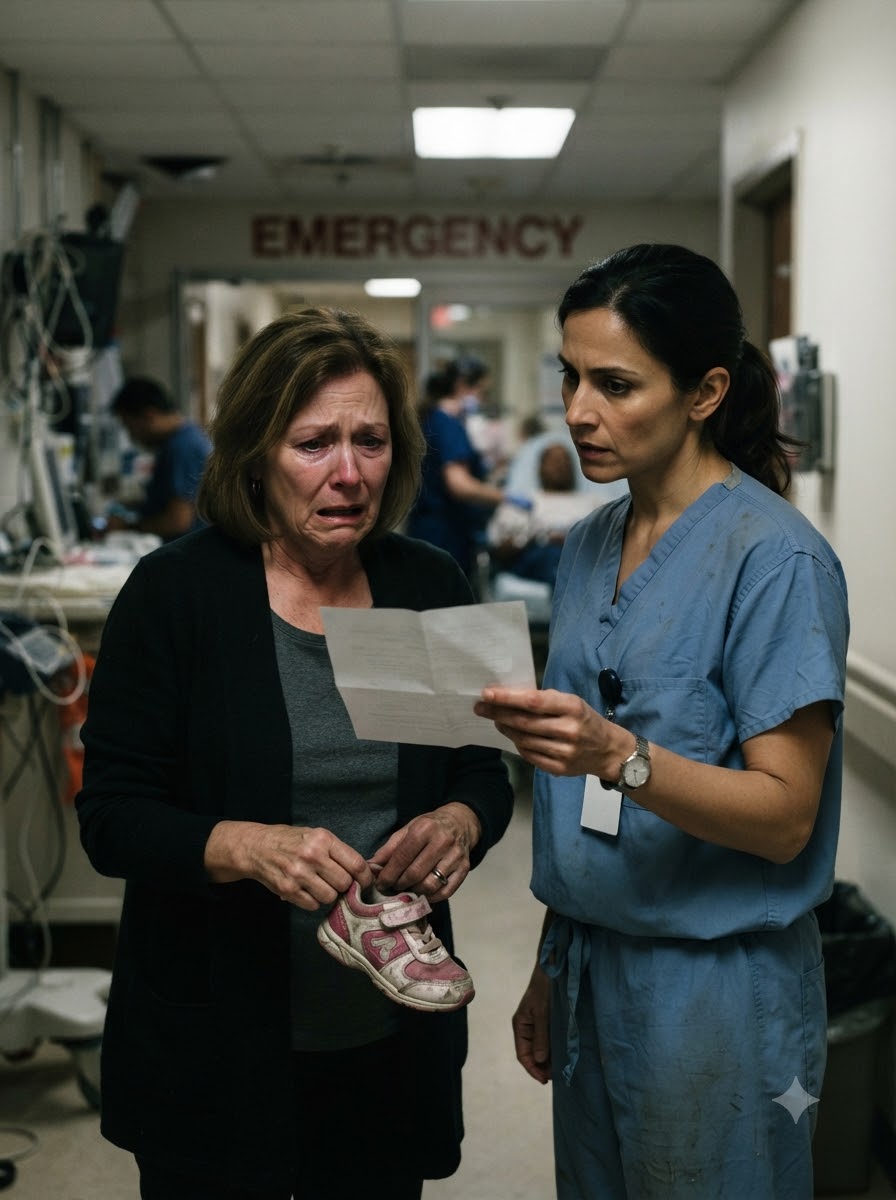
The first time my mother said my name in five years, my sister was bleeding on an emergency room stretcher.
“Irene?”
She had seen it stitched above the pocket of my white coat. My father followed her stare, then looked at my face as if the name might belong to someone else.
Behind them, a nurse cut through Monica’s sleeve. Another pressed gauze to the side of her head. Monica had been pulled from a car after a collision on a wet highway. She was unconscious, her blood pressure was falling, and the scan we needed was waiting down the hall.
My mother stepped toward me. “You’re a doctor?”
“Yes,” I said. “But right now I need you to move.”
She stopped. I went to Monica’s bedside, checked the report from the paramedics, and asked the nurse for the latest pressure. Whatever Monica had done to me, she was my patient. She would get the same care as anyone else.
Then I opened her electronic chart.
Under emergency contacts, beneath my parents’ names, was mine.
Dr. Irene Mercer. Sister.
The phone number was current. Monica had entered it during a hospital visit eight months earlier.
For five years, my parents had called me a liar whenever I said I was becoming a doctor. My sister had known exactly where I worked.
I looked up. My mother was still watching me.
“I’ll explain what I can after we take care of her,” I said.
We took Monica to imaging. A trauma surgeon reviewed her scans with me. She had a lacerated spleen and a broken leg, but no bleeding in her brain. We arranged surgery, and I stepped out of her care before she went upstairs. I had helped stabilize her; with my family history, she needed another physician making the decisions from there.
I found my parents in a consultation room. My father stood when I came in. He had aged more than I expected. My mother held a paper cup between both hands and had forgotten to drink from it.
“Is she going to die?” my father asked.
“The surgeon believes she has a good chance of recovering. He’ll update you after the operation.”
My mother nodded. Then her eyes dropped to my badge again.
“You really finished.”
“I did.”
“We were told you left school.”
“I know what you were told.”
My father’s jaw tightened at my tone. I knew that expression. For an instant I was twenty-seven again, standing in Sarah’s kitchen with a phone against my ear, trying to get him to let me finish one sentence.
Monica had always been easier for my parents to understand. She was funny at dinner and remembered everyone’s birthday. When I got into Oregon Health & Science University, they were thrilled, but I could tell they were also a little unsure of how to talk to me about it. Monica asked questions they didn’t think to ask. I mistook her interest for affection.
By my third year, I trusted her enough to tell her about Sarah.
Sarah and I had been friends since college. When she was diagnosed with stage-four pancreatic cancer, she had no close family nearby and was frightened of being alone. I requested a formal leave from medical school so I could live with her and help. It was approved in writing. My place in the program was held.
I didn’t tell my parents immediately. I wanted to know what Sarah needed first, and I dreaded turning her illness into a debate about my career. I told Monica because I needed to tell somebody.
“Don’t worry, Reenie,” she said. “I won’t tell Mom and Dad. They’ll just panic.”
Three nights later, my father called.
Monica had told them I had dropped out, moved in with a boyfriend, and invented a sick friend to cover it up. She had shown them a letter that appeared to come from the medical school. According to her, I had been dismissed after lying about my attendance.
I offered to send my leave approval. I gave him the number of the dean’s office. I asked him to call me back when he had a pen so I could spell Sarah’s doctor’s name.
He refused all of it.
“Your sister showed us proof,” he said.
My mother came on the line and asked how I could embarrass them after everything they had done to help me. I tried again, more slowly. She cried harder.
Before he hung up, my father told me not to call until I was ready to tell the truth.
I sent my leave letter the next morning anyway. An email to each of them, with the approval attached. Neither replied. A week later, my mother returned a card I had sent Sarah to sign. She had written, “Stop using this woman.”
Sarah died seven months later. When I returned to school, I sent my parents my enrollment confirmation. I sent another note when I graduated and matched into a residency. I gave them my wedding date a year after that. None of it brought them back.
Eventually I stopped sending things.
Now my mother sat across from me, studying a wedding ring she had never seen before.
“Monica said you’d forged those emails,” she said.
I stared at her. “And you believed her without calling the school.”
My father sat down. “She had a letter.”
“I asked you to check it.”
Neither of them answered. We heard a cart rattle past the door, then someone laughing briefly at the nurses’ station.
“She put you down as an emergency contact,” I said. “She entered my number eight months ago, along with my job.”
My father frowned. “Why would she do that?”
“That’s something you’ll have to ask her.”
When the surgeon came in, we stopped. Monica had done well in surgery. Her spleen had been repaired, and her leg would need another operation, but she was stable. My mother cried with relief.
I went home after my shift and told my husband, Daniel, what had happened. He took my coat while I stood in the kitchen, unable to decide whether I wanted dinner or to go straight to bed.
“I keep thinking of Sarah,” I said.
Daniel knew the story. He had met her during her last good months, when she could still sit out on the balcony with us and complain about the neighbors’ wind chimes. He also knew what it had cost me to lose my family while she was dying.
“Did they apologize?” he asked.
“No.”
He set a glass of water in front of me. “Then you don’t have to see them tomorrow.”
I thought about that for a long time. “I want to see the letter.”
My father brought it to the hospital the next afternoon. Monica was still sleeping after surgery. We met downstairs, away from her room. He carried a worn manila folder that my mother had kept in a drawer with tax returns and birth certificates.
“I suppose we should have looked at this years ago,” he said.
I wanted to ask what had stopped them. Instead, I took out the page.